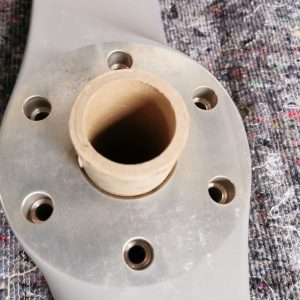
The Sensenich Propeller – P/N 74DM6-0-60
Accurate model terminology helps prevent confusion with visually similar propellers that may have different pitch, diameter, hub, or aircraft applications.
A Sensenich Fixed-Pitch Propeller may also be categorized as a Sensenich Aluminum Propeller or Fixed-Pitch Aluminum Propeller when the exact material and configuration are confirmed.
Whether buyers require a 74-Inch Aircraft Propeller, 60-Inch Pitch Propeller, Lycoming O-320 Propeller, or General Aviation Propeller, aircraft-specific applicability remains essential.
The Certified Aircraft Propeller description should distinguish the approved propeller design from the current serviceability and installation eligibility of the individual unit.
Reviewing P/N 74DM6-0-60 Markings
The seller should provide clear photographs of the data plate, hub, blade faces, blade backs, leading edges, trailing edges, tips, mounting holes, and identification markings.
Original packaging can support the product history but does not replace inspection of the actual propeller.
Verifying Condition Before Installation
The phrase new and never installed generally means that the propeller has not been operated in flight or permanently mounted on an aircraft.
The propeller should be inspected even when it remains inside original packaging because temperature changes, condensation, impact, chemical exposure, and shifting during transport can affect condition.
Sensenich Fixed-Pitch Propeller Design
The 74DM6-0-60 should be selected using applicable technical data rather than general claims about improved climb or cruise performance.
Professional verification supports responsible use of the Sensenich Fixed-Pitch Propeller.
Inspecting the Sensenich Aluminum Propeller
Metal construction does not eliminate the possibility of fatigue, corrosion, impact damage, improper material removal, dimensional loss, or storage deterioration.
Factory paint and protective coating should be checked for lifting, bubbling, scratches, abrasions, discoloration, and exposed metal.
Measuring the 74DM6 Propeller
Verified dimensions support correct replacement-propeller selection.
A difference between documented and measured dimensions should be investigated before installation.
Documenting the Propeller Configuration
The 60-inch pitch designation is an important specification that should be verified through model markings, suitable technical data, and professional measurement when required.
A blade-to-blade pitch difference can contribute to vibration, reduced efficiency, and unequal aerodynamic loading.
Matching the Propeller to the Correct Engine
The buyer should review current approved installation information before purchasing or mounting the propeller.
A previous aircraft application can provide useful context but does not replace current approved technical data.
Inspecting the Complete Propeller Assembly
Blade comparison should include the faces, backs, roots, leading edges, trailing edges, tips, and hub transitions.
Careful handling preserves the Two-Blade Aircraft Propeller assembly.
Preparing the Replacement Aircraft Propeller
Detailed hub inspection helps verify the stated condition.
The buyer should determine whether approved bolts, nuts, washers, bushings, spacers, spinner bulkheads, and related mounting components are included.
Inspecting Blade Tips and Trailing Edges
The depth, location, orientation, and extent of any defect affect the appropriate inspection or corrective action.
Detailed surface review helps support the claimed new condition.
Protecting the Fixed-Pitch Aluminum Propeller
The hub, bolt holes, blade roots, edges, and areas beneath packaging deserve particular attention.
Periodic inspection can identify developing coating or environmental concerns.
Supporting Installation Eligibility
Documentation should be interpreted according to its specific wording, scope, and serial-number reference.
Installation eligibility depends on the exact aircraft, engine, configuration, approved data, and applicable maintenance requirements.
Reviewing Purchase and Storage Records
The manufacturer data plate should remain legible, securely attached, and consistent with the physical propeller, invoice, packaging, and supplied documents.
Records should remain protected from alteration, moisture, loss, and separation from the propeller.
Buying the Sensenich 74DM6-0-60
Uncertainty regarding identity, dimensions, storage, condition, or installation eligibility should be resolved before shipping.
- Determine whether factory paperwork, release documents, mounting hardware, spacers, spinner components, protective covers, and shipping materials are included.
- Review the history for trial fitment, dropped handling, transportation impact, moisture exposure, chemical contamination, improper storage, or unauthorized repair.
- Inspect and photograph the propeller immediately after delivery before cleaning, measuring, balancing, repairing, mounting, or modifying it.
Protecting a New Two-Blade Propeller in Transit
The unit should not rest against hard surfaces that concentrate loads on a blade edge or tip.
Pre-shipment photographs can document the blades, hub, packaging, identification, and included parts before collection.
Maintaining Packaging and Identification
Storage supports should avoid concentrating weight on blade tips, edges, or thin blade surfaces.
Identification labels, serial records, release documents, and included hardware should remain associated with the correct propeller.
Professional Installation Requirements
The engine flange, pilot fit, mounting surfaces, threads, bolt holes, and related components should be inspected check here before assembly.
The propeller should seat correctly against the approved mounting arrangement without rocking, binding, forced alignment, or surface contamination.
Initial ground operation should monitor vibration, RPM, unusual noise, mounting security, spinner behavior, and other abnormal indications.
Maintaining the Leading Edges and Finish
Consistent maintenance protects the Sensenich Fixed-Pitch Propeller.
Preventive care supports dependable General Aviation Propeller service.
Buying P/N 74DM6-0-60
A recent professional inspection may add value when the scope, measurements, findings, and documentation are described accurately.
Total acquisition cost may include the purchase price, specialist inspection, dimensional verification, static or dynamic balance work, mounting hardware, spinner components, installation labor, packaging, shipping, and documentation.
New, Never Installed
New, Never Installed may suit aircraft owners, maintenance organizations, builders, propeller specialists, restorers, aviation dealers, and general aviation operators seeking an identifiable unused component.
The propeller should be evaluated with the receiving aircraft’s Lycoming engine, flange, spinner, operating limitations, clearances, and approved installation requirements in mind.
Whether the requirement is a Sensenich Propeller P/N 74DM6-0-60, Sensenich 74DM6 Propeller, or 74DM6-0-60 Aircraft Propeller, exact identification should guide the purchase.
With prompt attention to scratches, coating damage, corrosion, vibration, loose hardware, spinner concerns, impact events, and environmental exposure, the installation can preserve its operating potential.